
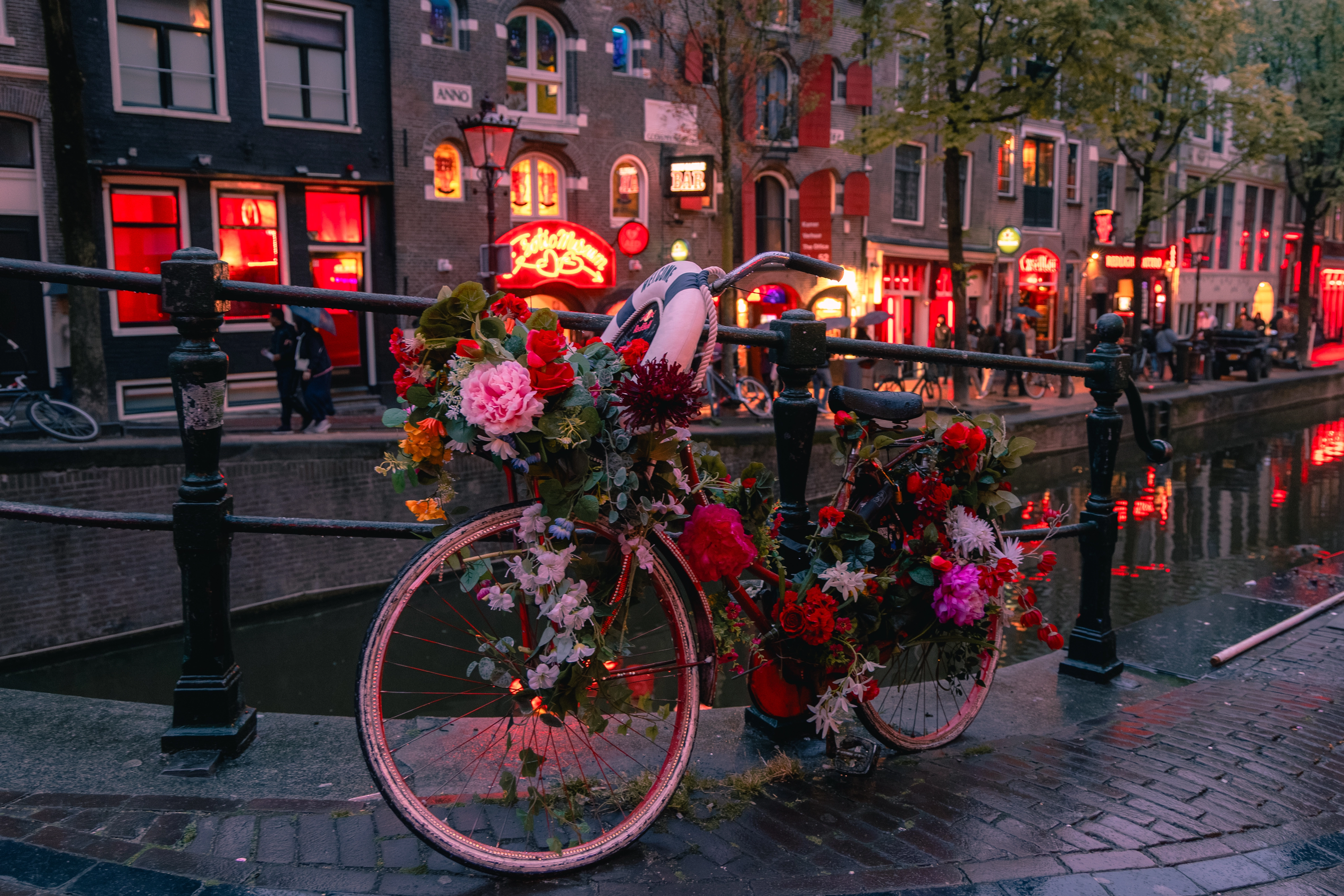
While we were in Amsterdam two weeks ago, we walked through the Red Light District. One of our friends commented on that post, asking for more information and what we thought about it. Here is our answer.
The Red Light District has changed a lot in recent years.
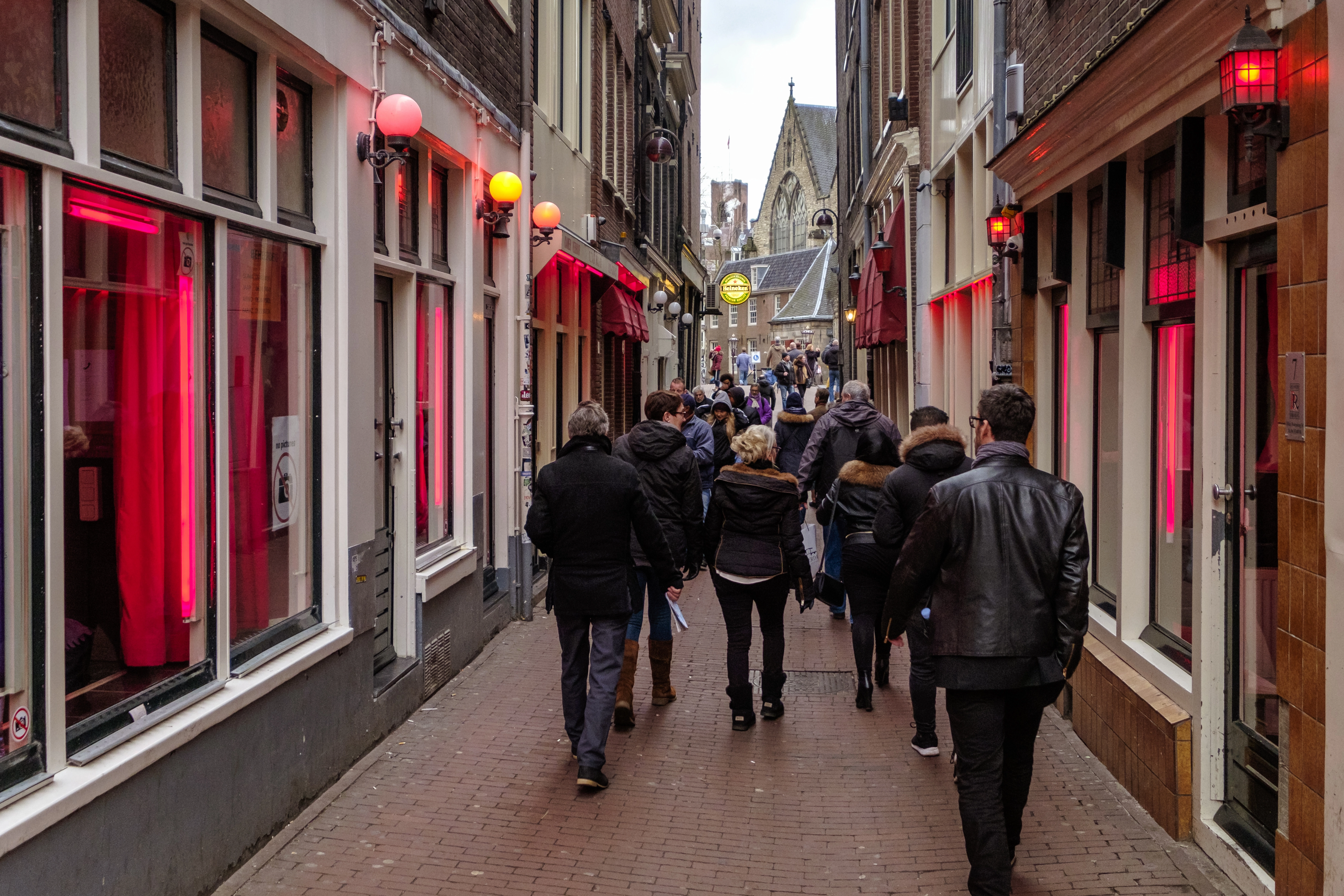
The first time I walked through it was about 15 years ago. We visited in the afternoon, and at that time it felt vibrant, energetic and very much like a tourist attraction. People were walking through, laughing at some of the more outrageous things in the shop windows, and the area felt safe and lively.
Seeing the women working behind the windows was certainly eye-opening. They smiled, interacted through the glass, and at least from a visitor’s perspective, the atmosphere felt relatively light.
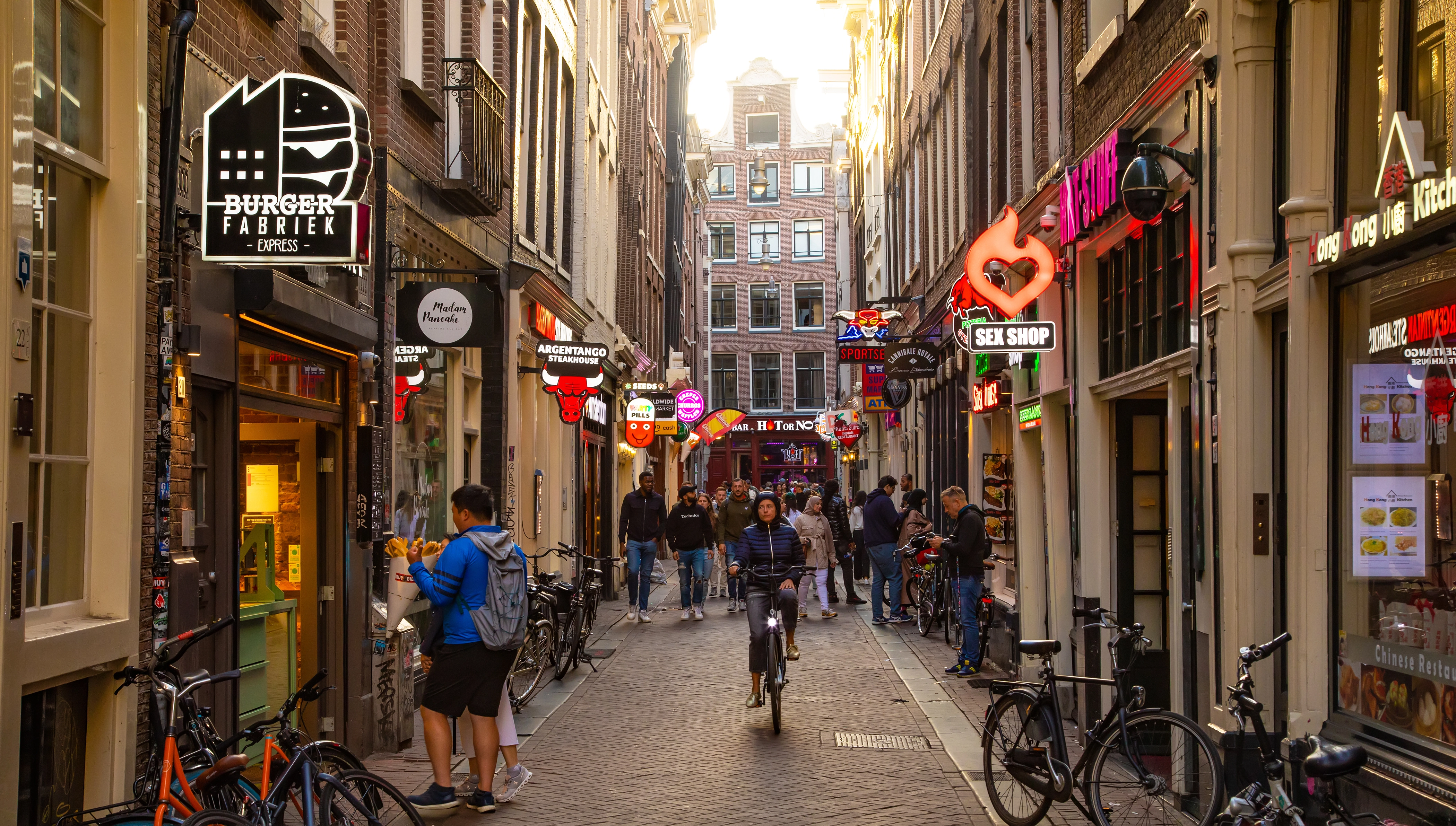
By 2019, it already felt different.
We visited again in the late afternoon, and the women were there, but the mood had changed. Some were clearly frustrated with tourists staring at them and would call out that they were not a museum or a tourist attraction.
And they were right.
This is their workplace, and they deserve to be treated with respect.
When we returned two weeks ago, the area felt different again.
It was much quieter. There were fewer people walking through, less of the cheeky novelty merchandise we remembered seeing in shop windows, and there are now clear signs reminding visitors that photographing sex workers is not permitted. Amsterdam has also introduced rules that prohibit guided tours from passing sex workers’ windows, even for very small groups.
That actually tied in with something I experienced recently as a travel advisor.
A client asked for a private walking tour of Amsterdam that included the Red Light District. I sent the request to several tour companies. One Dutch destination-management company told me their guides were not permitted to take tourists through the window-prostitution area. Another global tour company included it in their proposal, although I suspect that once a local guide was assigned, the city’s rules would still have to be followed.
A neighbourhood with a very long history
The Red Light District, or De Wallen, is one of the oldest parts of Amsterdam.
Its history is tied closely to the city’s old harbour. For centuries, sailors, taverns, lodging houses and sex work all existed alongside one another in this part of the city.
Today, the area is still a striking mix of history and modern life.
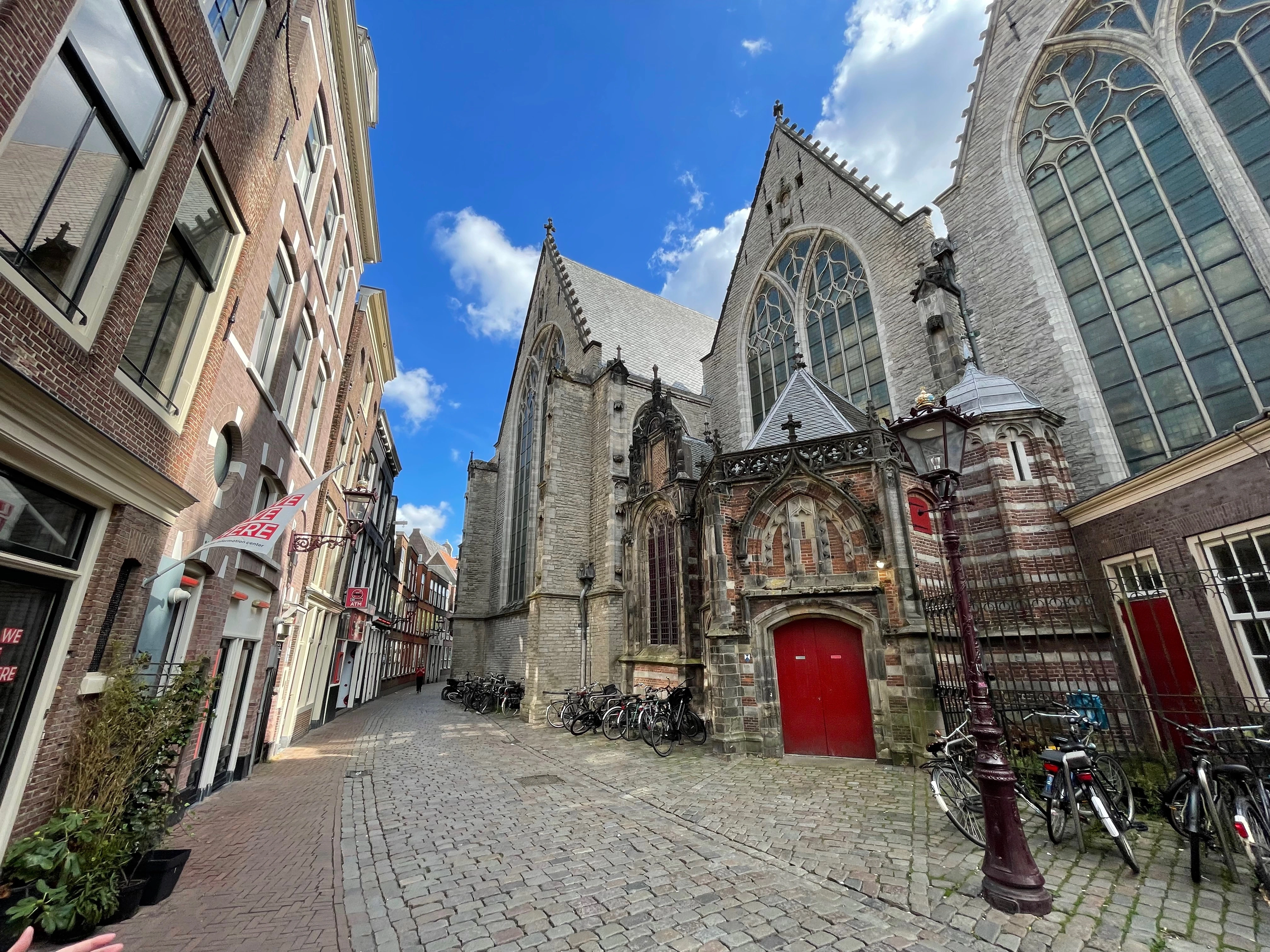
You have old crooked canal houses, narrow streets, bridges, canals and the Oude Kerk — Amsterdam’s oldest church — sitting right in the middle of the district.
Yes, many people see some irony in that. 😂
Sex work itself was not suddenly “legalized” in 2000, as is sometimes said. What changed that year was that the Netherlands lifted its general ban on brothels, allowing licensed sex businesses to operate legally under regulation.
Many sex workers operate independently, pay taxes and have access to healthcare like other workers.
That does not mean the system is without problems or controversy, but it is very different from the way sex work is treated in many parts of North America.
Amsterdam is changing the kind of tourism it wants
This is probably the biggest thing we noticed.
Amsterdam has been making a deliberate effort to reduce nuisance tourism in the city centre and attract visitors who contribute more positively to the city.
The city has specifically targeted things like disruptive stag parties, organized pub crawls, nuisance behaviour, cannabis smoking in parts of the centre, hotel growth and overcrowding. It has also tightened rules around guided tours and shortened some hospitality hours.
That shift is particularly visible in De Wallen.
The city has said openly that it does not want the area to function as a magnet for visitors who come only for sex, drugs and alcohol.
It is also researching the development of a new Erotic Centre elsewhere in Amsterdam, with the intention of moving some sex-work windows out of the historic district, improving working conditions and reducing crowd pressure in De Wallen.
That proposal has been controversial and has generated significant debate among residents, businesses and sex workers themselves.
What did we think this time?
The neighbourhood itself is still beautiful in many ways.
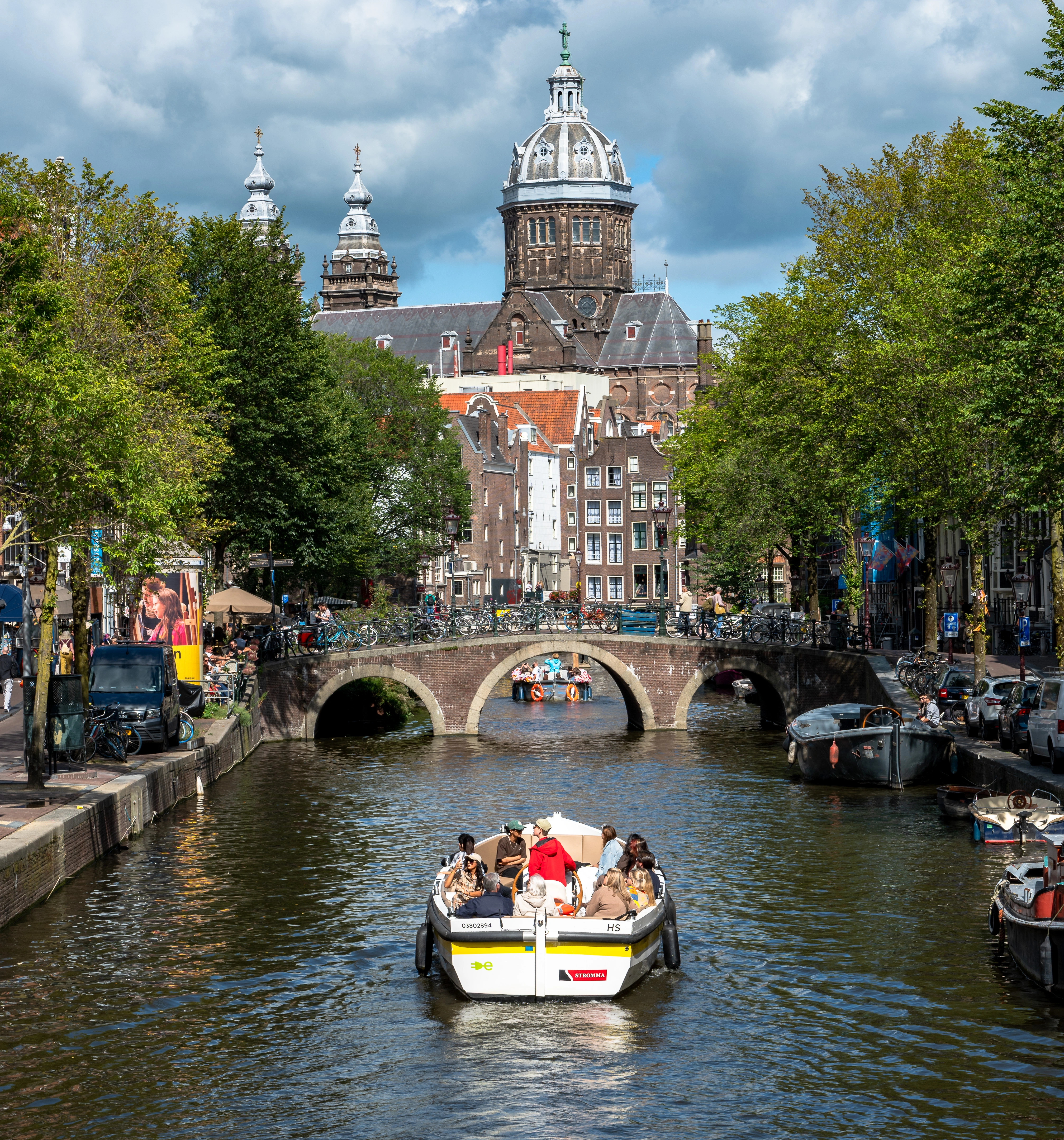
The canals, the old buildings, the bridges and the Oude Kerk make it unmistakably Amsterdam.
But on this visit, parts of it also felt tired and dirty.
The streets looked like they needed some attention, particularly when compared with neighbourhoods such as the Jordaan, which feel more polished and cared for.
Amsterdam itself acknowledges that cleanliness, overcrowding and liveability remain ongoing issues in the city centre, and the municipality has increased cleaning and enforcement efforts in areas including De Wallen.
So our overall impression was not simply that “the Red Light District isn’t as fun as it used to be.”
It is that we are seeing the effects of Amsterdam’s broader tourism shift in real time.
Some of the atmosphere we remembered has disappeared.
Some of that is intentional.
Some of it is probably necessary.
And some parts of the neighbourhood still feel like they need further investment and care.
But perhaps the biggest change is this:
The Red Light District is being pushed away from being something tourists simply consume as entertainment and toward being treated more like what it actually is — a historic neighbourhood where people live and work.
That makes it a very different experience from the one we remember 15 years ago.
Article by Angela Jeffreys of Gin & Tonic Travel - feel free to share this article. Please respect our copyright